

Why Australia Offers the Best Way to Blend Craft and Community
Craft Hubs in Australia
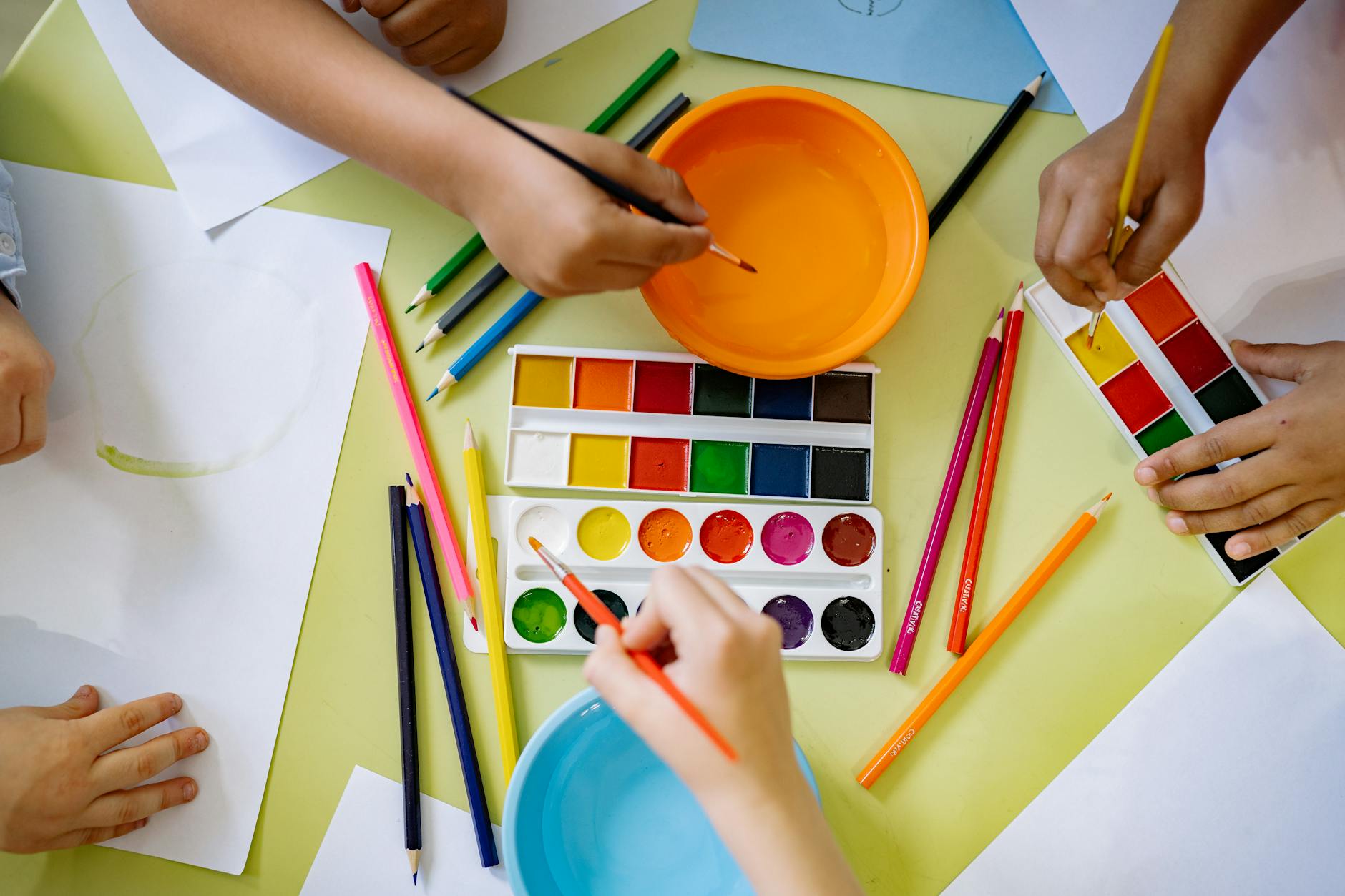
Brimming with innovative design ideas and vibrant creativity, Australia is home to numerous craft hubs that cater to diverse artistic interests. If you're looking to escape the routine and explore unique experiences, consider activities like a paint and sip session. These events effortlessly combine creativity with a social atmosphere, making them an ideal choice for either individual exploration or family bonding.
In bustling cities like Brisbane, craft activities are plentiful. Whether you're new to the city's cultural scene or a regular at these events, there's always something fresh and exciting. For those keen on injecting a bit of fun into their weekend, a paint and sip Brisbane event could be just what you need. These sessions not only provide an opportunity to unleash your creativity but also engage with others who share a passion for art.
On the southern coast, Melbourne offers a rich arts scene perfect for discovery. If you're someone like me who appreciates a structured approach but wants to delve into a creative domain, you might find enjoyment in exploring things to do in Melbourne this weekend. The mix of spontaneity and guided creativity in these sessions can be highly rewarding.
Exploring craft hubs can be a refreshing change, offering not only a creative outlet but also a means to connect with community vibrancy, similar to the cultural diversity found in Brisbane's West End.
Blending Craft and Community
Engaging with Local Artisans
Engaging with local artisans offers a wonderful opportunity to embrace creativity while connecting with talented individuals in the community. When you visit places like West End, known for its cultural diversity, you'll find an inspiring array of creative minds eager to share their skills. One delightful option is to enrol in painting classes where you can learn from experienced artists who infuse innovative design ideas into their craft. Whether it's the brush strokes of a landscape artist or the techniques of an abstract painter, these classes provide a canvas for your own artistic expression.
Collaborative Craft Projects
Embarking on collaborative craft projects can be an enriching experience, uniting people from various backgrounds to create something truly special. Participating in these projects often means working shoulder to shoulder with peers, exchanging ideas, and gaining fresh perspectives. Whether it's community-led endeavours at local festivals or informal meet-ups in creative spaces, there’s always an opportunity to contribute and learn from others. Sharing the creative process allows you to appreciate different styles and skills, enhancing the overall crafting experience.
Community Art Events
Community art events are vibrant gatherings that celebrate artistic expression and foster connections. These events are excellent for those with limited knowledge about craft and arts to explore different mediums without the pressure of perfection. Attending events like floristry courses Sydney will not only enhance your understanding of floral design but also let you appreciate the intricacies involved in creating floral arrangements. With these engagements, you can explore new crafting horizons while building relationships with fellow enthusiasts.
Benefits of Craft Communities
Skill Development Opportunities
Participating in craft communities offers a plethora of skill development opportunities, especially for those seeking to engage in hands-on art forms. Activities such as pottery classes not only enhance fine motor skills but also encourage creative problem-solving. These classes provide structured environments where beginners and enthusiasts alike can learn new techniques and refine existing ones. The collaborative atmosphere of craft communities fosters a supportive learning environment, allowing participants to experiment and grow alongside their peers.
Building New Connections
Craft communities serve as excellent platforms for building new connections. They invite individuals to interact with those who share similar interests, thereby fostering a sense of camaraderie. This social aspect is particularly pertinent for those wanting to explore date ideas with a creative twist. Attending craft events or joining workshops in vibrant areas like the cultural hub of West End in Brisbane can make for an enriching experience, by combining art with an opportunity to meet like-minded individuals. These interactions often extend beyond the craft table, leading to networking opportunities and friendships built around shared creative passions.
Supportive Creative Environment
The supportive nature of craft communities creates a nurturing environment where creativity can truly flourish. The innovative urban projects in Fortitude Valley highlight the importance of nurturing artistic expression within a community. Here, practitioners are encouraged to push their creative boundaries in a judgment-free space. This environment not only boosts individual confidence but also empowers participants to bring their innovative design ideas to life. Participating in a community that embraces varied creative expressions ensures that every member feels valued and inspired, helping them gain confidence and hone their craft.
Challenges in Participating
Overcoming Initial Hesitation
Embarking on a new adventure, like diving into experience gifts for her or discovering creative arts, often involves overcoming initial reluctance. Many people feel intimidated by the prospect of entering unfamiliar spaces. For those of us navigating Brisbane’s vibrant art scene, West End's diverse cultural tapestry offers a welcoming and inclusive environment. It's a place where a blend of creative minds and innovative design ideas come together, fostering a culture of openness and acceptance. Finding a supportive community can ease the anxiety associated with trying something new.
Time Management Tips
Balancing a hectic schedule can prove daunting when considering new hobbies or activities, such as creative workshops or engaging in gifts for mum. One effective strategy is to incorporate these activities into your weekly routine, treating them as essential appointments rather than optional extras. Allocating specific times for leisure or arts helps ensure consistent participation. Remember, it's about making time, not finding it. Integrating creativity into your life can also serve as a valuable tool to unwind and recharge.
Finding the Right Fit
Identifying what aligns with your interests and schedule is crucial. This might involve exploring different types of creative workshops and attending various sessions until you discover what truly resonates with you. Each creative outlet offers unique advantages, whether it's pottery courses or digital design. Reviewing feedback and seeking recommendations can also guide your decision. Ultimately, the aim should be to find enriching activities that seamlessly integrate into your lifestyle, enabling you to explore your creative side while maintaining balance.
Best Practices for Craft Enthusiasts
Picking Classes for Novices
Exploring the world of crafts can feel like discovering Brisbane's vibrant [West End]—there's so much to see and appreciate! When selecting your first craft class, start by identifying an art form that piques your interest. Look for classes that clearly outline their syllabus to ensure they cater to beginners. Many communities offer workshops where experienced artisans guide you through—much like the support you'll find in the diverse South Bank Parklands. This approach can foster connections with others, sharing a sense of cultural achievement.
Getting Ready for Your Initial Experience
Preparation can turn a classroom into a catalyst of creativity. Gather materials ahead of time, ensuring you have everything necessary to fully immerse yourself in the craft. Embrace a mindset of exploration, similar to what you'll find in the innovative urban projects in Fortitude Valley. Here, innovative urban designs seem to encourage artistic endeavours, inspiring creative thinking through sustainable practices.
Engaging Family in the Creative Process
Inviting your family to participate not only strengthens bonds but also creates a shared family tradition. Consider starting a project together, where each member contributes a unique element. This experience can parallel crafting communities where you learn from one another, like the vibrant activities across Brisbane's cultural spots. The collective effort results in a piece that embodies both individuality and unity, fostering a familial legacy in creativity.
By integrating these practices, you'll find yourself more engaged and immersed in the creative world, much like the innovative design ideas expanding across urban Brisbane.